Commercial to Residential Property Conversion in the UK
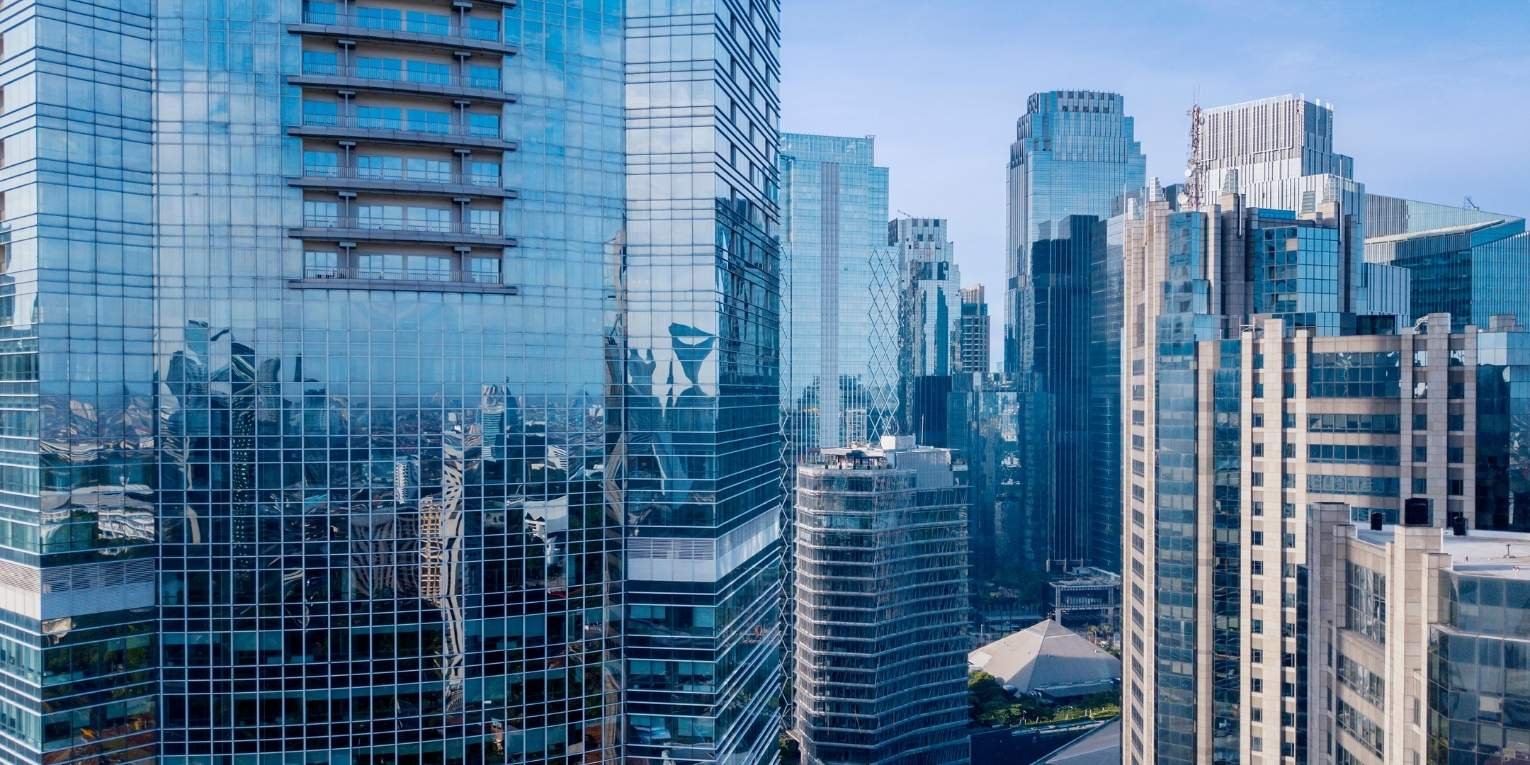
Brickflow sets out a practical guide to converting commercial buildings into homes, an approach that is growing in popularity as housing demand rises and more offices, shops and warehouses stand empty.
The firm highlights several reasons to consider a conversion: strong demand for housing, potential savings compared with new build through lower land costs and reuse of existing structures, expanded Permitted Development Rights (PDR) that can avoid a full planning application, the chance to regenerate underused areas, and the potential to buy commercial property cheaply and add significant value.
The suggested process runs through six stages: assessing location, demand, returns and structural feasibility; checking whether PDR applies or a full planning application is needed; meeting Building Regulations on fire safety, insulation, ventilation and accessibility; securing finance; managing refurbishment with experienced contractors; and deciding whether to sell or let the finished units.
On planning, PDR allows many conversions to proceed without full permission, but it does not generally apply to listed buildings, conservation areas or certain use classes. Costs to budget for include purchase price, structural and services work, interior finishes, legal, survey and planning fees, and VAT, where some projects may qualify for reductions.
Financing routes discussed include bridging loans for fast, short-term needs, development finance for larger schemes, buy-to-let mortgages for investors keeping units to rent, commercial mortgages for longer-term holds, and local authority grants or low-interest loans in regeneration areas.
Common pitfalls are planning delays, unexpected costs, hidden structural problems and misjudged demand. Brickflow recommends early engagement with planning consultants, full surveys before purchase, careful local market research and a contingency of 10% to 20% of the budget.