Making the Most of Woodland and Amenity Land

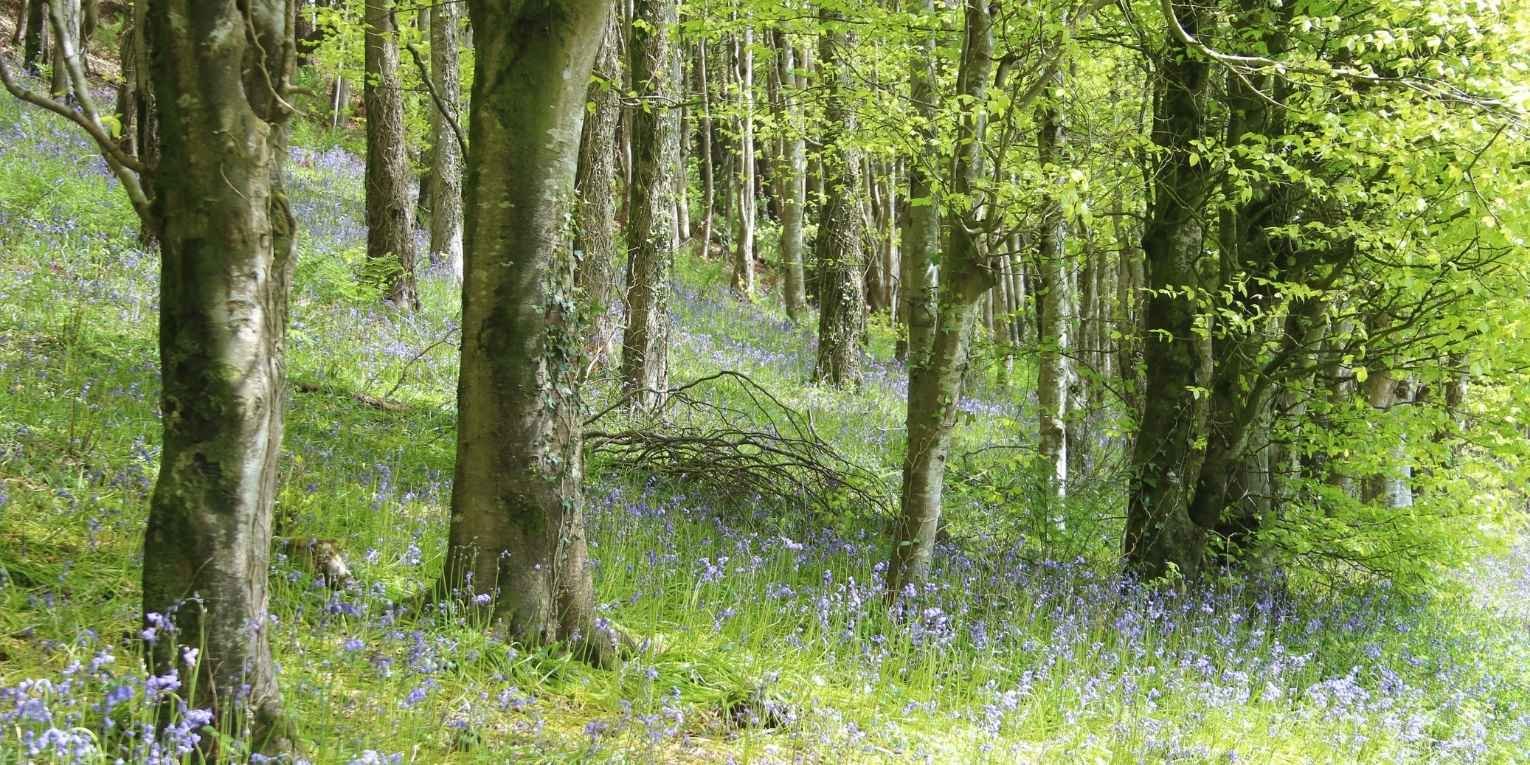
Connect UK Auctions sets out a guide for buyers of woodland and amenity land in the UK, covering how to get the most from a purchase while respecting legal and environmental rules.
Woodland is land covered by trees that may have ecological, recreational or commercial value, while amenity land is usually a smaller plot bought for leisure, wildlife or personal enjoyment rather than building. Both are often sold with restrictions, so buyers need to understand what is permitted.
Before buying, the guide advises checking that the land has legal access and clear boundaries to avoid disputes, and notes that land with ecological value may qualify for grants to support habitats and wildlife.
Suggested uses include:
• Recreation such as walking, birdwatching and foraging, or a small woodland retreat where planning allows.
• Conservation and rewilding, for example planting native trees, creating wildflower meadows or putting up bird and bat boxes, with advice available from bodies such as the Woodland Trust and Forestry Commission.
• Small-scale forestry, including sustainably harvesting timber for personal use through methods such as coppicing, which encourages regrowth.
• Community and educational projects with schools or conservation groups, which can also help unlock funding.
The guide adds that while major development is generally restricted, some modest structures such as a tool shed, composting toilet or temporary shelter may be allowed under permitted development rights, though buyers should always check with the local planning authority first. Used sustainably and within the rules, such land can offer a lasting personal retreat and a contribution to conservation.
Source: Connect UK Auctions, original article (26 February 2025)