Profit on Cost: The Most Important Metric in Property Development Finance

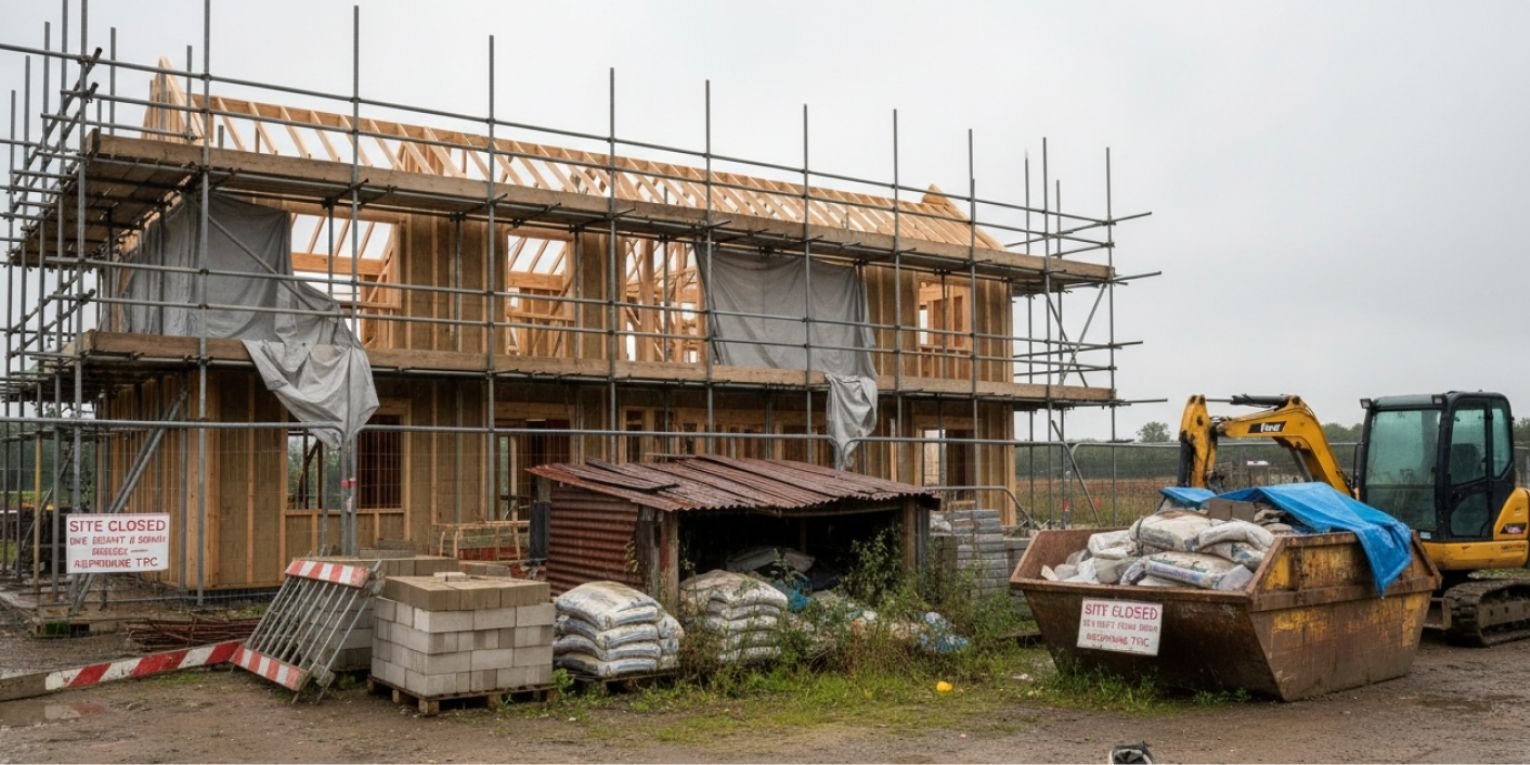
CrowdProperty explains why profit on cost is often the first figure lenders and experienced developers examine when judging whether a scheme stacks up.
The metric compares expected profit with total development cost, rather than with end value. Because it is cost-led, it shows how much buffer a project has if costs rise, programmes slip or values fall, which makes it a useful early feasibility test: a scheme that fails on this basis is unlikely to improve later. Total cost should include acquisition and stamp duty, professional fees, construction and fit-out, contingency, finance over the full programme, and sales and exit costs. Leaving items out or underestimating them flatters the result and hides risk.
For developers, profit on cost shows whether there is enough headroom to absorb overruns and delays. For lenders, it is a key risk indicator, and because it is less affected by leverage than measures such as return on equity or IRR, it shows whether a scheme works on its own merits. CrowdProperty describes it as a gateway metric alongside margin on GDV, return on equity and IRR.
The article argues that fixed rules of thumb are less reliable today. Acceptable levels depend on planning status, build complexity, asset type and exit route, location and the developer’s track record. Reviewers typically pressure-test build costs, contingency, programme length, GDV evidence and exit timing. Common mistakes include underestimating costs, assuming best-case delivery and overconfidence in end values.
Used well, profit on cost helps developers screen opportunities, walk away from marginal deals and hold clearer conversations with funders. A stronger figure tends to increase lender appetite and allow more flexible structures, while thinner margins may mean lower leverage, phased funding or extra conditions. A strong result does not guarantee success, CrowdProperty concludes, but it signals discipline and realistic assumptions.