Property Conversions: A Guide to Planning, Risk and Funding for SME Developers

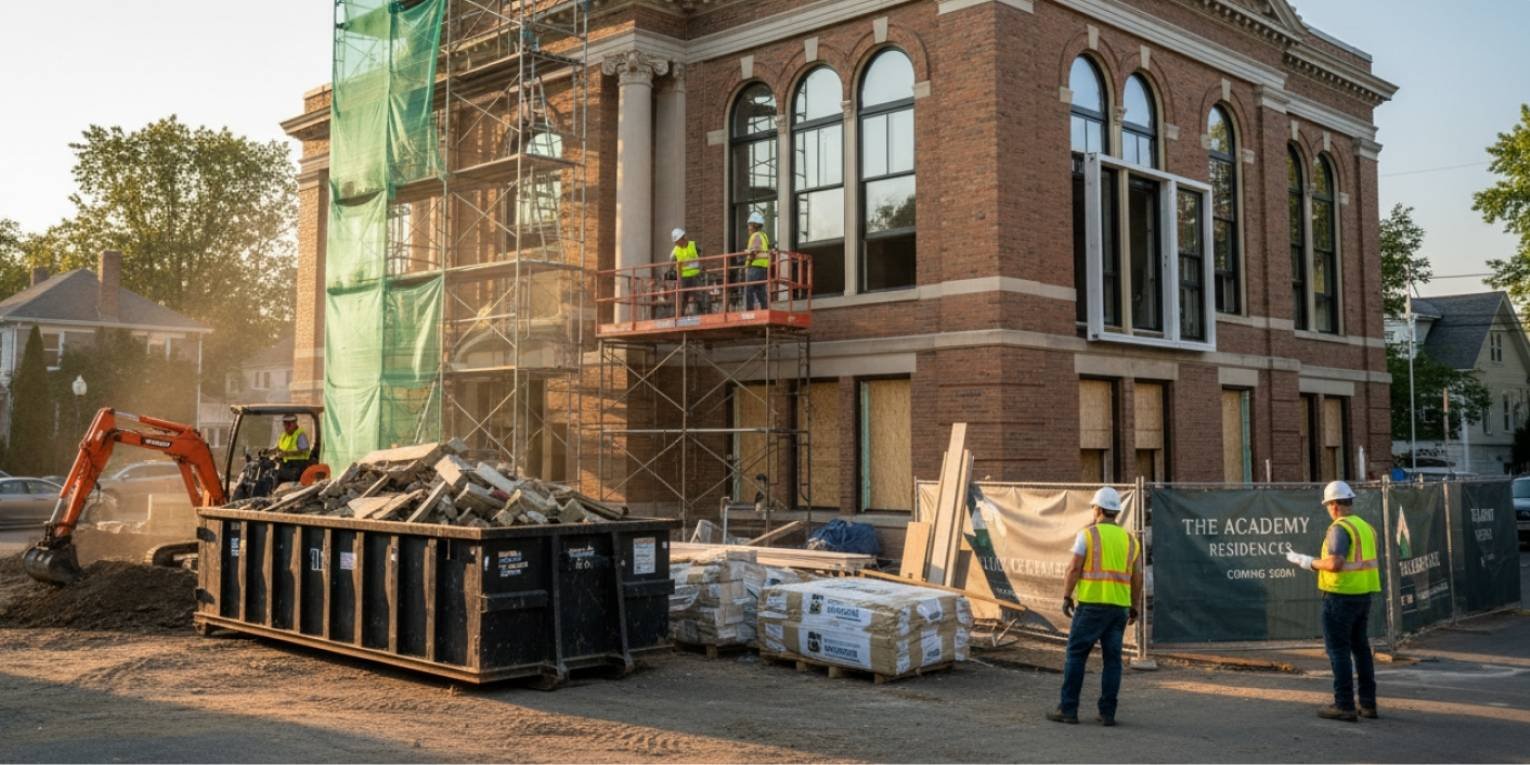
CrowdProperty’s guide looks at how SME developers can turn churches, mills, factories and redundant commercial buildings into successful residential schemes, while managing the planning, risk and funding challenges involved.
Conversion types each carry their own trade-offs. Churches and chapels offer character but are often listed and structurally complex. Mills and warehouses suit loft-style or mixed-use schemes but can be demanding on services, acoustics and fire strategy. Commercial-to-residential projects may use permitted development with prior approval or need full consent. Schools and civic buildings are usually well located, and barns may be viable under rural or permitted development routes, though access, drainage and utilities can make or break a deal.
Before buying, developers should confirm the planning route, including whether Class MA or Class Q applies, check listed or conservation status, plan early for building regulations and fire strategy, commission a structural engineer, and verify access, utilities and parking. Early pre-application discussions with the council are recommended.
Key risks include hidden defects, budget creep, delays from bats, asbestos or archaeology, lender caution and a narrower buyer pool. CrowdProperty suggests a contingency of at least 10–15%, higher for listed or structurally uncertain buildings, and advises testing several exit routes, such as sale to owner-occupiers, refinance and hold, or sale to investors, using sensitivity analysis and early comparable evidence.
On funding, conversion finance is typically structured around loan-to-GDV and loan-to-cost measures, often with rolled-up interest and staged drawdowns released after inspections. Lenders favour experienced teams and detailed appraisals covering programme, procurement, risk and contingency.
The guide concludes that engaging planners early, using experienced professionals, understanding the end market, controlling costs and fixing the exit strategy from the outset give conversions the best chance of delivering strong margins.