The Complete Guide to a Structural Warranty Insurance Policy

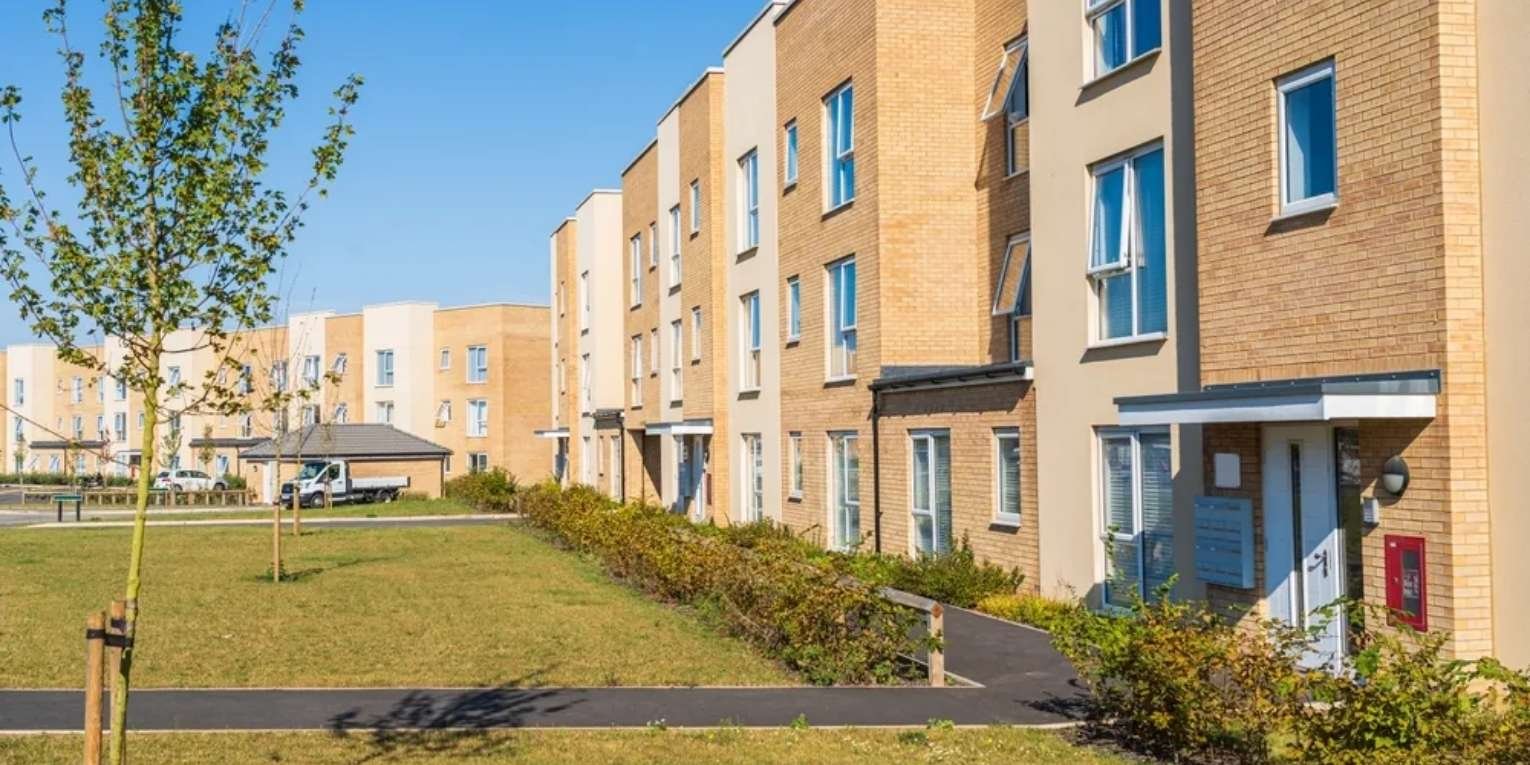
Build-Zone explains what a structural warranty is and why it matters to anyone building or buying a new property. Also known as a latent defects warranty or inherent defects insurance, it covers major structural defects caused by poor design, materials or workmanship that were not visible at completion, typically for 10 or 12 years.
Although not legally required, most mortgage lenders expect one before lending on a new home, and buyers’ solicitors usually ask for evidence of cover if the property is sold within the first decade. A warranty also gives buyers, tenants and other stakeholders confidence in the standard of construction.
Cover usually runs in two stages. During the first two years, the defects period, the builder is responsible for putting problems right, with the warranty provider potentially stepping in if they fail to or stop trading. From year three to the end of the policy, the insurer pays for repairs to latent structural defects directly.
Policies generally cover foundations, roofs, load-bearing walls, floors, staircases and failures of waterproofing that let water in, and sometimes garages and outbuildings. They do not cover cosmetic issues such as plaster cracks, damage from poor maintenance, weather or accidents, or contractual disputes with a builder.
Build-Zone advises choosing a provider backed by ‘A’ rated insurers and widely accepted by lenders. Cost depends on the size, type and location of the project, but is typically around 1% of build cost. Arranging cover before building starts is best, as retrospective cover, where available, is more expensive. Claims require the certificate of insurance and policy documents.