Warm Homes Plan: Implications for Real Estate and the Private Rented Sector
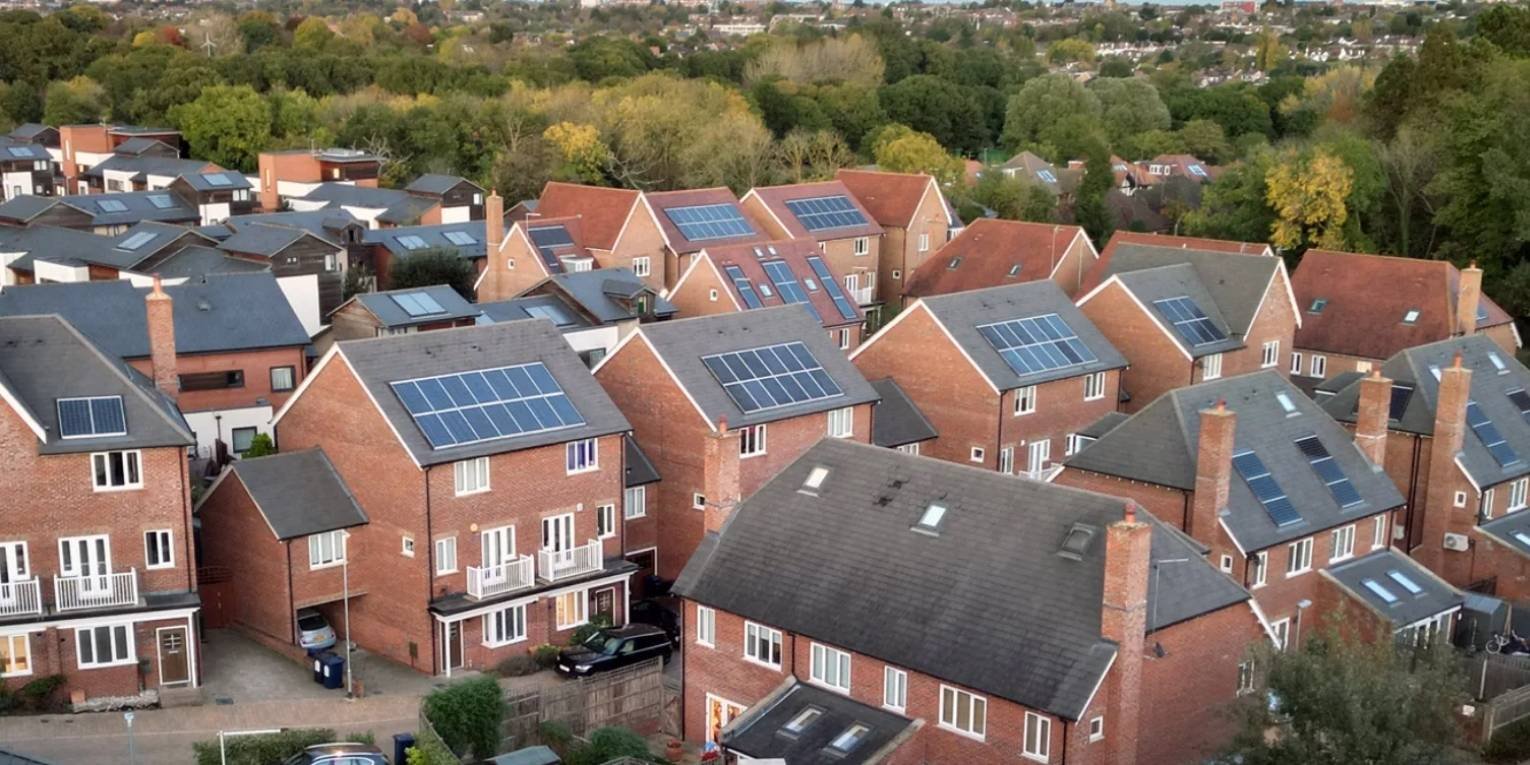
The government has published its long-awaited Warm Homes Plan, committing £15 billion to help millions of households fit solar panels, batteries, heat pumps and insulation, with the aim of lowering bills and speeding up the energy transition. For property owners, the most significant point is confirmation that privately rented homes will have to meet tougher minimum energy standards linked to reformed domestic EPCs.
A supporting document confirms that landlords will be assessed under a new framework rather than the existing EPC. A home must meet a primary standard based on a new fabric performance measure, set at roughly today's EPC C, plus a secondary standard of the landlord's choosing, such as smart readiness or the heating system. That allows compliance through better insulation, a heat pump, rooftop panels or smart controls.
The deadline for all tenancies, new and existing, is 1 October 2030. Any home that achieves C or above on today's Energy Efficiency Rating ahead of 1 October 2029 will count as compliant for as long as that certificate lasts; those below C will need a fresh assessment on the new metrics. Spending is capped at £10,000 per home, down from the £15,000 first proposed, and this includes work done since October 2025 and the cost of the EPC. Official estimates put the average upgrade at about £5,400 on average (£6,100 for homes in the East of England), with bills expected to fall by around £210 a year. Cheap loans will be available to help, though the detailed calculation rules are still under consultation.
Domestic EPCs will switch to four headline measures: fabric performance, energy cost, smart readiness and heating system, alongside secondary measures for energy demand and carbon. Non-domestic EPCs keep a single carbon rating. Certificates will still last ten years but will be needed when a property is marketed.
Oliver Knight, Knight Frank's Head of Residential Development Research, said the clarity was welcome but, combined with recent tax and regulatory changes, was likely to push some smaller landlords to sell, keeping rental supply tight and rents growing faster than the historical norm.
More widely, the Plan funds up to five million home upgrades, expands cheap and interest-free loans, and aims for 450,000 heat pump installations a year by 2030 through an extended Boiler Upgrade Scheme, compared with 84,000 installed in 2024. It also aims to triple rooftop solar, adding panels to up to 3 million homes on top of the 1.6 million that already have them. The government expects it to support 180,000 jobs and bring £38 billion of investment during this Parliament.
Missing from the Plan was any update on energy efficiency standards for commercial property, which have been awaited since the 2021 consultation.
Source: Knight Frank Newcastle, original article (26 January 2026)