Compulsory Purchase and Compensation: Could You Be Affected?

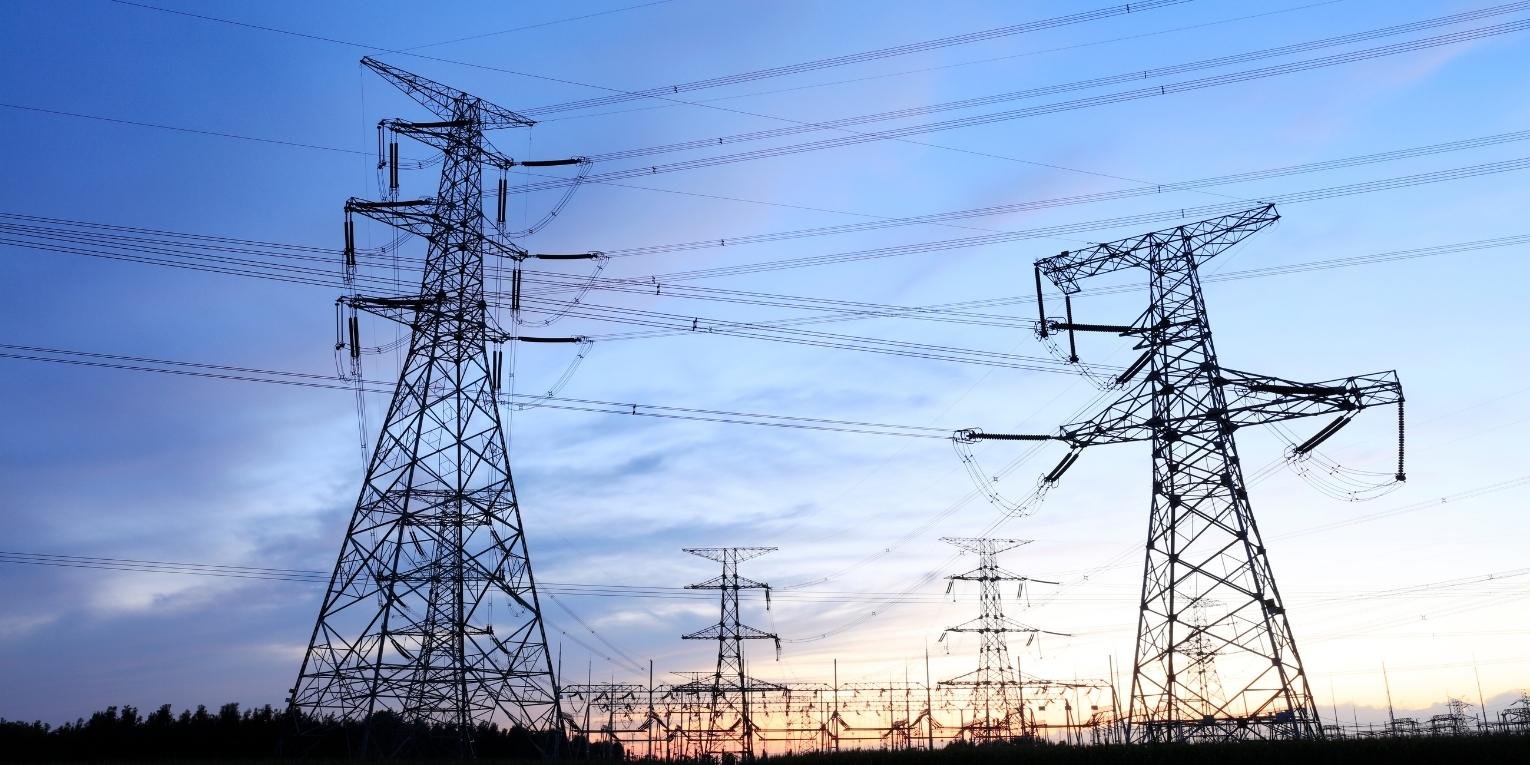
Greenslade Taylor Hunt notes that the Government's focus on economic growth, partly through greater infrastructure spending, is likely to bring more compulsory purchase schemes for roads, power lines, water pipes and rail links, affecting private landowners and occupiers.
The firm has handled a wide range of such cases, including the National Grid T-pylon line, underground water and gas pipes, land sales to utility companies, Environment Agency river and drainage works, telecoms masts and road schemes, most recently the A303 widening and the Banwell Bypass.
Compulsory purchase and compensation are complex areas, governed by layers of legislation and case law going back to the 1800s, and the rules are still changing. Two consultations on reform are under way in England and Wales: one on powers to limit compensation paid for the prospect of planning permission, known as hope value, and another on technical changes to the compulsory purchase order process and compensation rules.
The firm advises anyone who learns that a scheme may affect their land or property to engage early with the acquiring authority, not to ignore its correspondence, and to seek independent advice on their rights at an early stage. Greenslade Taylor Hunt says it can help from the initial design stage onwards, including reducing the amount of land taken, limiting the impact on retained property, managing the process and agreeing the final compensation claim.
Source: Greenslade Taylor Hunt, original article (19 February 2025)