Full Guide on How to Improve Home Safety as an Elderly Person

Changes in physical and cognitive ability that come with age can make a familiar home harder to live in, but a range of devices can improve safety, comfort and independence. This guide highlights several that older people may be overlooking.
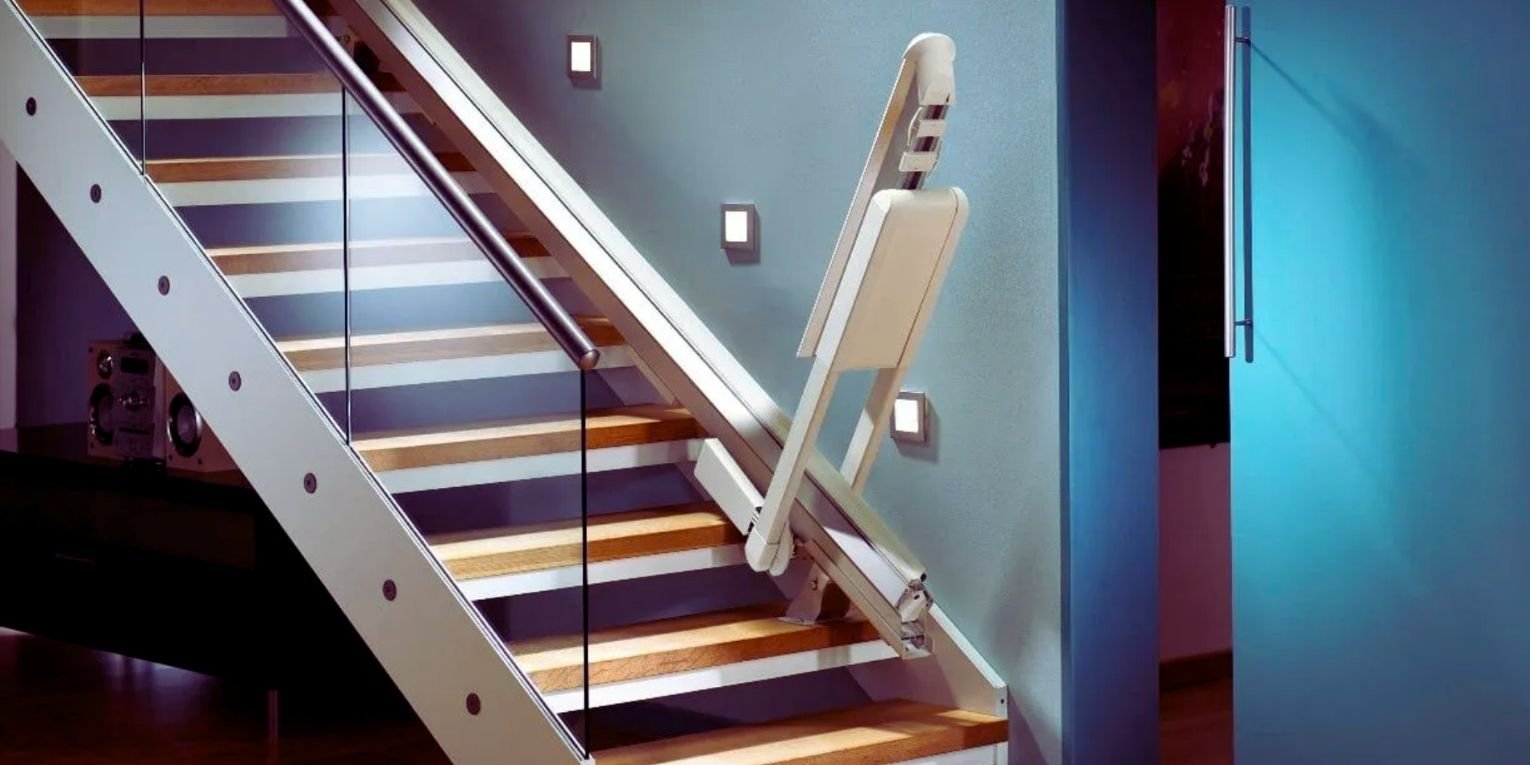
Stairlifts help those who find stairs difficult because of weak muscles, arthritis or reduced mobility. A motorised seat runs along a rail fixed to the staircase, typically with seatbelts, obstacle sensors and simple controls. Renting tends to suit short-term needs, while buying is usually better value for permanent use.
Smart home technology can also help. Voice-controlled speakers allow lights, heating and appliances to be adjusted without getting up; smart lighting can switch on automatically when someone enters a room or when it gets dark, reducing night-time falls; and video doorbells let people see who is calling without opening the door, which is particularly valuable for those living alone.
Medical alert systems, usually worn as a wristband or pendant, connect the user to a monitoring service at the press of a button. Many now include automatic fall detection that raises the alarm even if the wearer cannot.
Mobility aids range from walking sticks to walkers, rollators with built-in seats, wheelchairs and scooters, helping people stay active and independent inside and outside the home.
In the kitchen, jar openers, automatic stirrers and adapted chopping boards reduce strain for those with arthritis, poor eyesight or weak grip, while pull-out shelves and drawer organisers cut down on reaching and bending.
The guide concludes that investing in such aids can improve both physical safety and overall wellbeing, helping older people remain comfortably in their own homes for longer.
Originally published on The Landsite (12 August 2026)